
WHY TIKTOK IS A SHIFT IN LANGUAGE, NOT JUST A CHANNEL
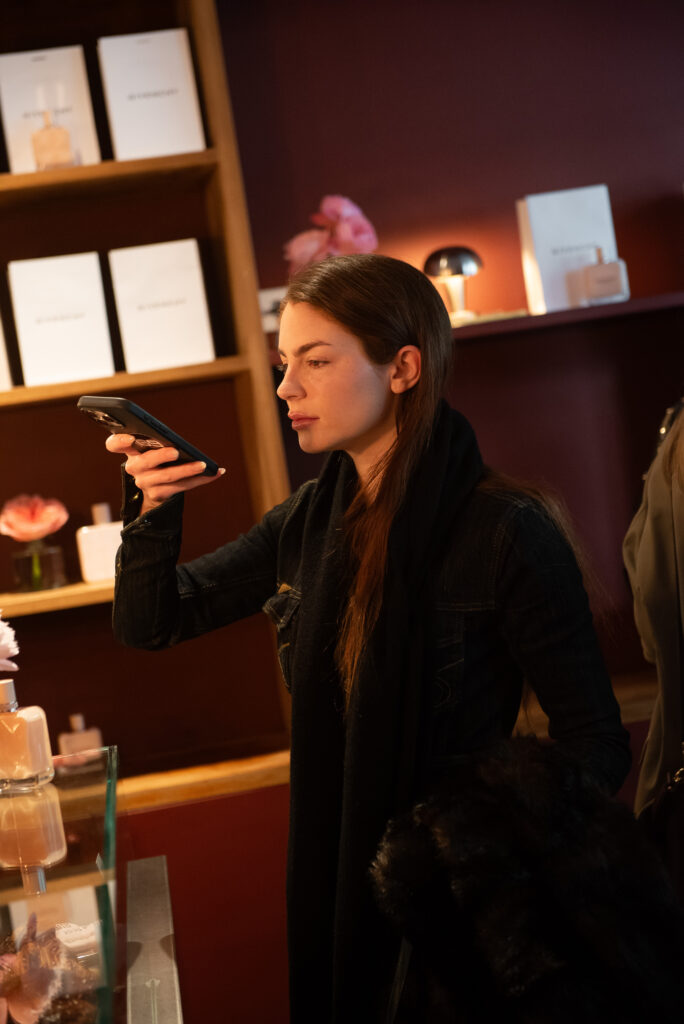
But TikTok’s impact isn’t technical—it’s cultural. It has rewritten the rules from within.
For a long time, the industry has tended to interpret new platforms as additional touchpoints: places to reuse assets, adapt campaigns, and amplify messages. That logic applied to Instagram, to YouTube, and initially, to TikTok as well.
However, TikTok represents something deeper than the arrival of a new channel. It has introduced a structural shift: a transformation in language, in storytelling, and in how attention itself is built.
To reduce TikTok to a platform is to underestimate its cultural impact.
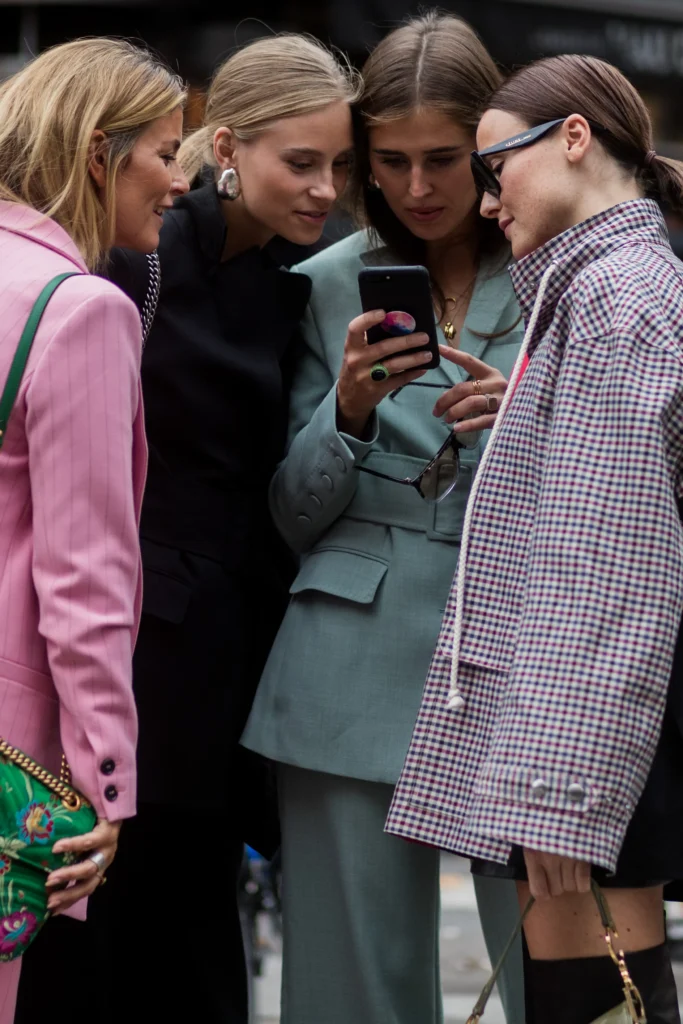
Traditional digital communication has long been defined by a “produced” aesthetic: polished lighting, perfect composition, controlled narratives. TikTok has disrupted this logic by establishing a new hierarchy of value. Today, what performs isn’t necessarily what’s most refined, but what feels immediate, natural, and unfiltered.
This shift is decisive: from polished content to credible content; from visual perfection to perceived authenticity; from absolute control to a sense of closeness.
It’s not about actual improvisation—it’s about a new grammar of naturalness.
TikTok has normalized codes that, in another context, would have been considered mistakes:
· Imperfect framing
· Abrupt pacing
· Fragmented storytelling
· Visible editing
What traditional advertising might interpret as low quality, TikTok reframes as truthfulness. The platform has consolidated an aesthetic that actively neutralizes the feeling of advertising.
Paradoxically, the more something looks like an ad, the less effective it becomes within this environment.
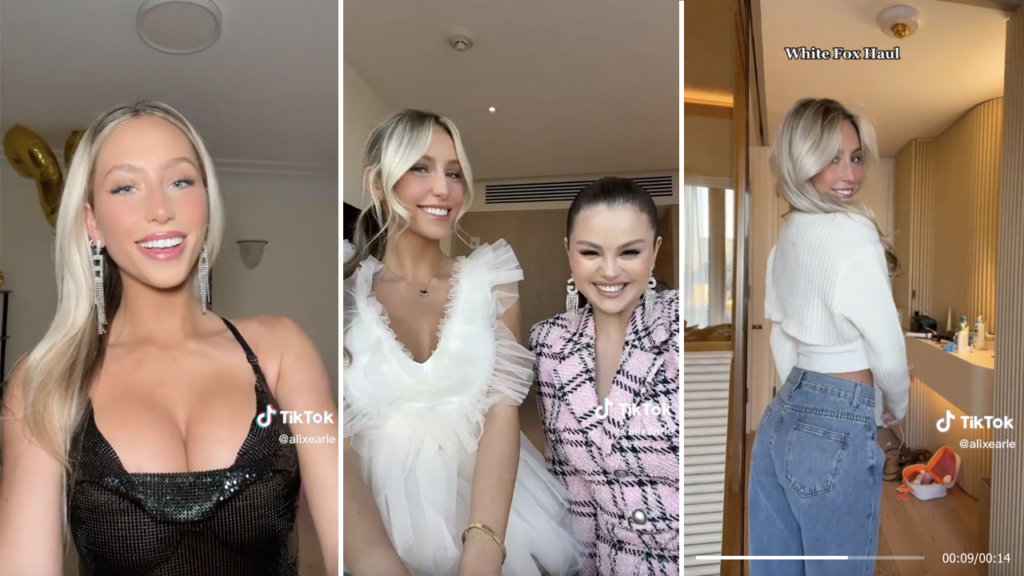
TikTok doesn’t operate around traditional categories like fashion, beauty, or lifestyle. Its logic is different: everything competes within the territory of entertainment. What doesn’t entertain rarely survives in the feed.
Even commercial content must fulfill a primary function: capture attention (and retention) before delivering a message.
This implies a structural shift in communication—where the brand must integrate seamlessly, and the product must be contextualized.
Many brands still approach TikTok with inherited mindsets: adapting campaigns designed for other media, repurposing traditional ad assets, or overemphasizing a “premium” aesthetic disconnected from the platform’s native code.
The result is often predictable: content that is technically correct, but culturally irrelevant.
The brands that perform best on TikTok tend to share clear patterns:
1. They understand the native code
They don’t adapt advertising to TikTok—they think from TikTok.
· Fast-paced rhythm
· Direct storytelling
· Organic visual language
2. They prioritize ideas over production
Creativity lies in the concept, not in technical execution.
3. They embrace strategic imperfection
They understand that credibility on TikTok doesn’t come from polish, but from perceived naturalness.
4. They operate through entertainment
Even when they sell, they connect first.

TikTok hasn’t just changed where content is consumed—it has reshaped how effective communication is built.
It has redefined the aesthetics of credibility, the narrative of attention, and the balance between brand, content, and entertainment.
Because on TikTok, more than on any other platform, success doesn’t belong to those who produce best—but to those who understand the language.